
Our Mission
To conduct, collect, and share research on grading so that educators and families can make informed decisions that improve achievement and well-being for every student.
Research
Evidence & Insights
Equity
Opportunities for All
What We Do
Together, they help educators make research-based decisions about how to grade students, and help teachers, parents, and counselors to have more supportive conversations with students about their grades.
Conduct
New Research on Grading
Collect
Existing Research in One Place
Share
Findings for Educators and Families
Understanding Grading.
Empowering Grown-Ups.
- Most teachers, through no fault of their own, rarely receive training in how to grade, which means that students are graded in ways entirely unsupported by research.
- Result:
Grading that varies from teacher to teacher and grades that are prone to inflation or deflation, resulting in teachers feeling less confidence and less trust in their grades.
- And most families receive scant information about how their children’s grades are calculated or what they’re based on, which means that parents don’t know what grades represent or how to respond to grades.
- Result: Students feel nearly constant pressure and anxiety about their grades, have less supportive and trusting relationships with parents and school adults, and prioritize grades over learning.
- Grading is more than score calculation. Grades shape how students understand their progress and potential, how educators evaluate learning and interact with their students, and how families support academic progress.
- Through rigorous research and accessible information, we seek to encourage a deeper understanding of grading practices and their impact on students.

Research
Evidence & Insights
Equity
Opportunities for All
Our Board
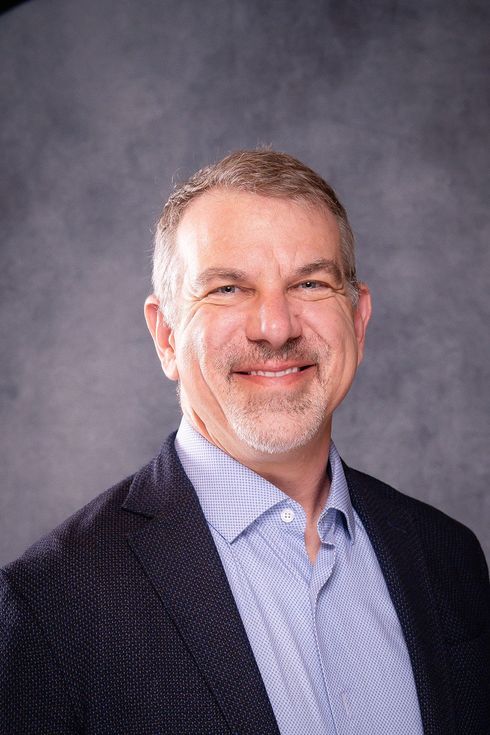
Joe Feldman, President
Joe has worked in education for over 30 years as a teacher, principal, and district administrator, and currently leads the Grading Research Center. Joe is a nationally-known researcher and has written over two dozen articles on grading and assessment for publications including Education Week, District Administrator, Kappan, and Black Press USA.
He has been interviewed by CNN and his work was profiled in the Wall Street Journal and his book,
Grading for Equity: What It Is, Why It Matters, and How It Can Transform Schools and Classrooms (Corwin) was published in 2018, with the second edition in 2023. He is the founder and CEO of Crescendo Education Group, which since 2013 has supported K-12 schools, districts, and colleges/universities nationwide to improve grading and assessment practices.
Crescendo Education Group has partnered with the National Education Association as well as the American Federation of Teachers, National Association of Secondary School of Principals, and Stanford University’s Challenge Success. Joe earned his B.A. from Stanford University and a Master’s degree in Teaching and Curriculum from the Harvard School of Education, a law degree from NYU. He lives in Oakland with his wife and two children.
Robin Walker Sterling, Secretary
Robin Walker Sterling is the Associate Dean for Clinical Education, the Director of the Bluhm Legal Clinic, and the Mayer Brown/Robert A. Helman Professor of Law at the Northwestern Pritzker School of Law. Before joining the Northwestern Law faculty, Professor Walker Sterling was the Ronald V. Yegge Clinical Co-Director and Associate Professor at the University of Denver Sturm College of Law, where she co-taught the Criminal Defense Clinic and the Immigration Law and Policy Clinic. In the 2017-2018 academic year, she served as a U.S. Fulbright U.S. Scholar at the University of Ghana, Legon. She is a graduate of Yale College and New York University School of Law, where she was a Root-Tilden-Kern Scholar, and Georgetown University Law Center, where she earned an L.L.M. in Clinical Advocacy.
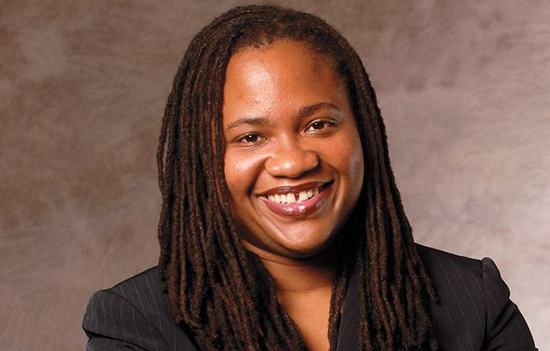
Following law school, Professor Walker Sterling clerked for Judge Emmet G. Sullivan of the United States District Court for the District of Columbia. She then served as the Stuart-Stiller Teaching Fellow in the E. Barrett Prettyman Fellows program at Georgetown University Law Center, representing adults and children charged with criminal offenses in the Superior Court of the District of Columbia, and supervising third-year law students in the Juvenile Justice Clinic. Professor Walker Sterling then worked as a staff attorney in the trial division of the Public Defender Service (PDS) for the District of Columbia, representing adults and children charged with criminal and delinquency offenses.
Professor Walker Sterling followed her tenure at PDS with a position as a Supervising Attorney at the Children’s Law Center, where she trained and supervised guardians ad litem handling dependency, adoption, and guardianship cases. Just before she joined the Denver Law faculty, Professor Walker Sterling worked as the Special Counsel with the National Juvenile Defender Center, a juvenile defense policy advocacy organization in Washington, D.C. Professor Walker Sterling’s research and teaching interests include clinical advocacy, critical race theory, criminal law and procedure, and juvenile justice.
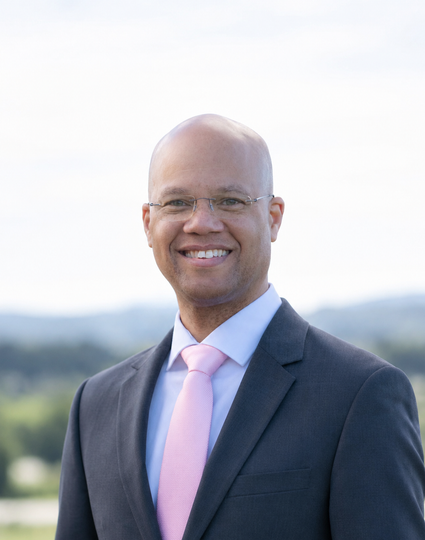
Hamilton Hunt, Treasurer
Hamilton Hunt is Head of Customer Success with Viaduct. As a trusted advisor to senior leaders, Hamilton is known for developing strategies that lead to high levels of customer satisfaction and market share gains. Hamilton’s customer success knowledge is founded on a 30-year career, including nearly 20 years as a customer success executive and 10 years leading professional services organizations.
Prior to Viaduct Hamilton served as a Customer Success executive at companies like Databook and Adobe. Hamilton also held senior level roles at Watchwith, ServiceSource, and MarketLive, Inc. Hamilton is a passionate servant leader, currently serving on the Board of Directors for BOSS (Building Opportunities for Self-Sufficiency), a Bay Area nonprofit dedicated to tackling the root causes of poverty and homelessness.
Hamilton holds an MBA from the UC Berkeley Haas School of Business and a BS in Math and Computational Sciences from Stanford University. He lives in Oakland and is married with three children.


Student Well-Being
Understanding how grading can influence student confidence, motivation, and growth.
Grading Research
Examining grading practices and their relationship to student learning and achievement.
Understanding Grading
Exploring how grading practices shape learning and assessment.
Get in Touch
Our full website is coming soon. In the meantime, we would love to hear from you. Send us a message and we will get back to you.
Whether you are an educator, a parent, or simply interested in grading research or having better conversations about grading, we welcome your questions and ideas.
Contact Us
We will get back to you as soon as possible.
Please try again later.